THE PROBLEM
Nematodes are a significant pest for cucurbit growers, with root-knot nematodes being the most common and damaging. They cause roots to develop galls, or knots, that can grow to over an inch in diameter. These galls reduce the plant’s ability to transport water and nutrients, which ultimately negatively affects quality and yield.
Nematodes are too small to see without a microscope. The most recognizable symptom of root-knot nematodes is the presence of galls on the roots. However, other causes, such as fungal diseases, insect injury, irrigation problems, or nutrient deficiencies, can also cause similar symptoms. That’s why it’s vital to test your soil and work with your TELONE™ Specialist to determine what your specific problem is to create an accurate integrated pest management plant.
COMMON PESTS
TELONE™ SUPPRESSES:
- Southern Root-knot (Meloidogyne incognita)
- Javanica Root-knot (Meloidogyne javanica)
- Reniform Nematode (Rotylenchulus reniformis)
- Root-Lesion Nematodes (Pratylenchus spp.)
- Sting Nematode (Belonolaimus longicaudatus)
- Stubby Root Nematode (Paratrichodorus / Trichodorus spp.)
Aboveground Symptoms
Aboveground symptoms include stunted growth, wilting, yellowing, and defoliation of plant leaves. Stunted plants may appear in patches rather than across an entire field. Cucurbit plants may also be slow to recover and ultimately result in lower marketable yields, fewer flowers, and poor fruit quality. Nematode damage may also cause cucurbits to produce more ethylene gas, which can lead to premature ripening of fruit.
Below-Ground Signs and Symptoms
Below the ground, root-knot nematodes can cause swollen areas, or galls, to form on the roots of infected plants. This leads to an overall reduction of the volume of a plant’s roots and makes them less efficient at absorbing water and nutrients.
That’s why it’s vital for cucurbit growers to prep the soil ahead of planting to manage nematodes before they have a chance to ruin a season.

THE SOLUTION
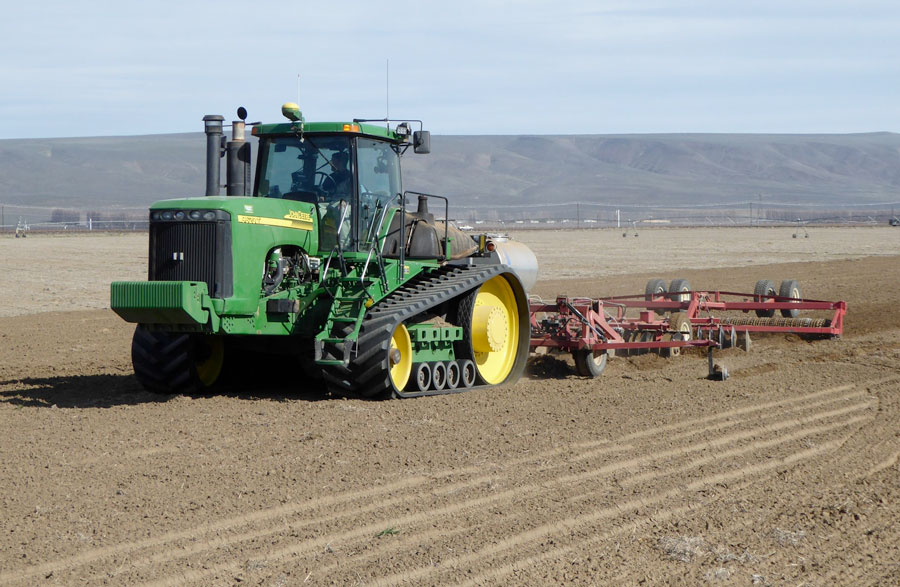
TELONE™ soil fumigant (to target nematodes) blended or coapplied with chloropicrin (to manage soil-borne diseases) is the most effective pre-plant treatment for cucurbits. There are currently no alternatives to match the efficacy of TELONE™ when it comes to managing nematode populations. Soil fumigation allows the product to reach nematodes deep in the soil, allowing growers to prep their soil ahead of planting.
Using TELONE™ before planting does more than just control nematodes—it helps plants to grow better and stronger. By creating a zone of protection around roots in the first 6 to 8 weeks of growth, TELONE™ allows roots to develop in an environment where nematodes are controlled. The result is extensive, healthy root systems capable of producing high-yielding, high-quality cucurbits.
BENEFITS
Pre-planting treatment with TELONE™ helps to minimize soil-borne diseases and promote beneficial soil microorganisms, resulting in:- Improved crop quality
- Overall reduced inputs (less water, less fertilizer, less pesticides)
- Enhanced soil health
- Zero residuals on harvested cucurbits
Application Method:
Cucurbit growers can broadcast apply TELONE™ or explore in-row or in-line applications, offering maximum application flexibility. Ask your TELONE™ Specialist which application method is best for your cucurbits.Example of Nematode Damage
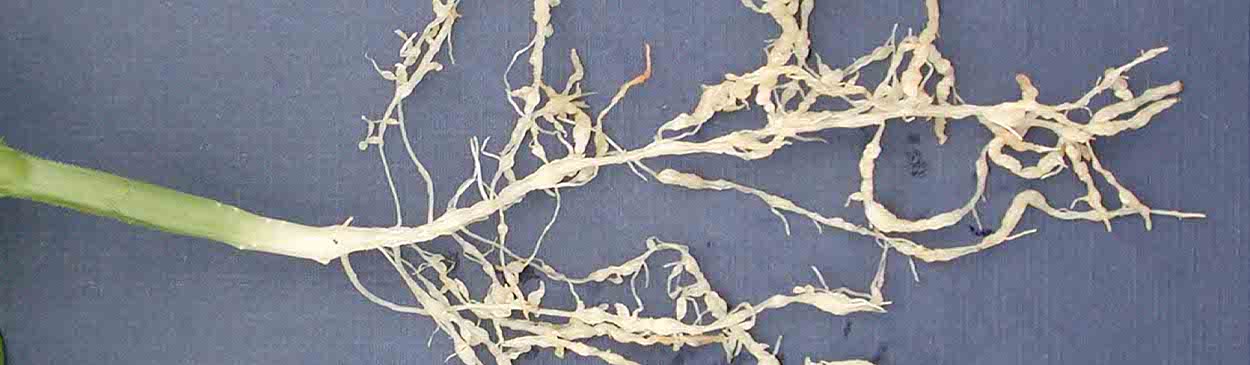
Example of Nematode Damage
Photo credit UC Riverside IPM
ADDITIONAL RESOURCES:
- UC Riverside IPM – Agriculture: Cucurbits Pest Management Guidelines
- University of Florida IFAS Extension – Nematode Management in Cucurbits (Cucumber, Melons, Squash)
- Purdue University – Battling Root-knot Nematodes in Commercial Cucurbit Crops
- University of Hawai’i at Manoa – College of Tropical Agriculture and Human Resources—Root-knot Nematodes on Cucurbits in Hawai’i