THE PROBLEM
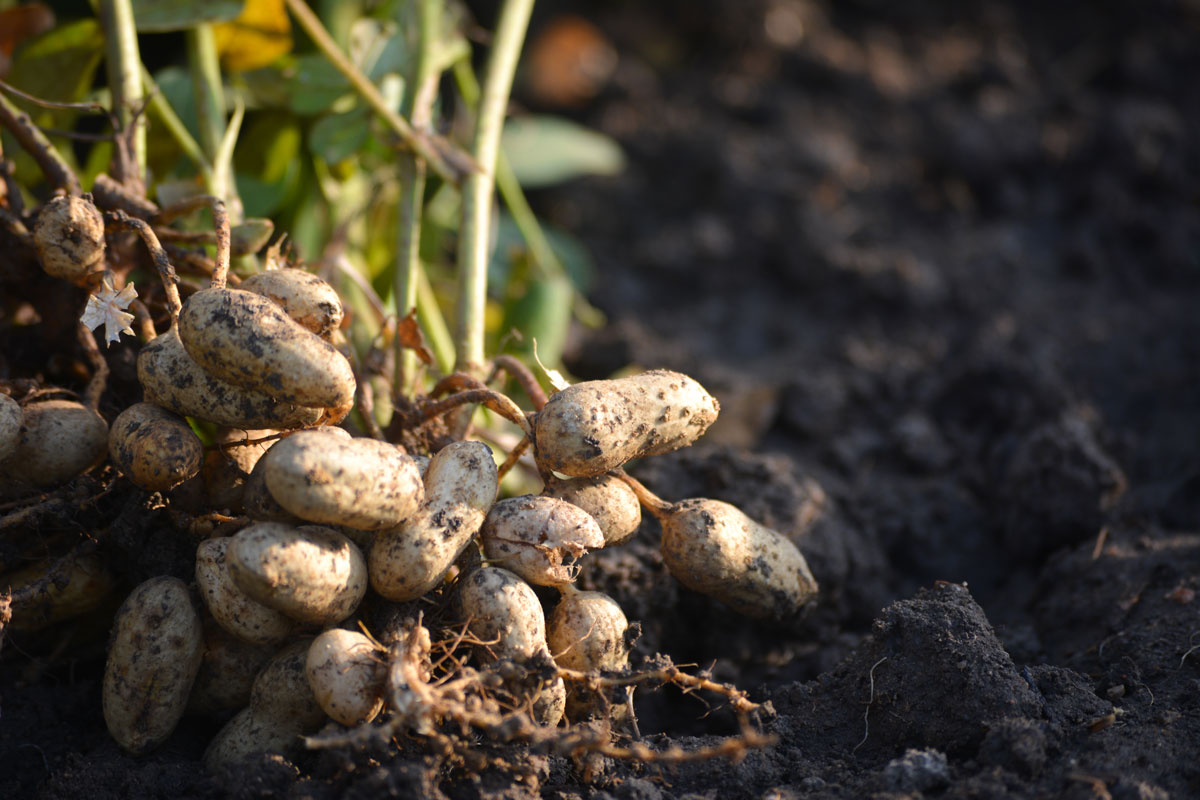
The majority of peanuts in the United States are grown in the South, where the climate is warmer and the growing seasons are longer. Georgia grows more than 50% of all USA peanuts, with Florida, North Carolina, South Carolina, and Alabama rounding out the top five peanut-producing states.
Nematodes are a significant threat to peanut growers in Georgia and across the south, particularly in sandy soils where peanuts thrive. The most problematic nematodes for peanut production include root-knot nematodes (Meloidogyne arenaria) and lesion nematodes (Pratylenchus brachyurus). These pests invade peanut roots, causing damage that leads to stunted plant growth, reduced pod development, and overall yield loss.
Root-knot nematodes are especially harmful to peanut crops, forming galls on roots and disrupting the plant's ability to absorb water and nutrients. This leads to weak, underdeveloped plants and poor-quality peanuts at harvest. Nematode infestations can also increase the risk of secondary fungal infections, further complicating peanut production.
COMMON PESTS
TELONE™ SUPPRESSES:
- Southern Root-Knot Nematode (Meloidogyne incognita)
- Peanut Root-Knot Nematode (Meloidogyne arenaria)
- Javanese root-knot nematode (Meloidogyne javanica)
- Sting nematode (Belonolaimus longicaudatus)
- Lesion Nematode (Pratylenchus brachyurus)
- Ring Nematode (Criconemella spp.)
- Stubby Root Nematode (Trichodorus spp.)
Root-knot nematodes are especially harmful to peanut crops, forming galls on roots and disrupting the plant's ability to absorb water and nutrients. This leads to weak, underdeveloped plants and poor-quality peanuts at harvest. Nematode infestations can also increase the risk of secondary fungal infections, further complicating peanut production.
For peanut farmers, managing nematodes is essential to maintaining healthy plants and maximizing yields.
Foliar Symptoms
Although a professional diagnosis is typically required to confirm nematode damage, there are several symptoms growers can watch for that may indicate a nematode issue. Foliar symptoms caused by root-knot nematodes often resemble those resulting from nutrient deficiencies or other diseases, including stunted growth and yellowing of plants. These symptoms frequently appear in irregular or oval-shaped patches in the field, which correspond to areas with higher nematode populations. Over time, the size and intensity of these affected areas tend to increase, often influenced by uneven soil conditions or other environmental factors.
In severe cases, plants may develop necrotic (dead or dying) leaves, and some may die off entirely in patches. Additionally, infected plants may wilt more than healthy ones during hot and dry periods, especially later in the season. This is most evident during the heat of the day, with plants often recovering as temperatures cool. Sting nematode infections may result in severe stunting and yellowing early in the season, leading to reduced plant populations. Lesion nematodes, while less likely to cause obvious foliar symptoms, can result in patchy chlorosis and stunting when infestations are heavy.
Below-Ground Signs and Symptoms
Reduced root development and lower yields are typical signs of plant-parasitic nematode infections. Specific symptoms below the soil surface vary depending on the nematode species. Root-knot nematodes are recognized by galls, or irregular swellings, on roots, pods, or pegs. These galls form due to root-knot nematode feeding, which triggers the abnormal growth of cells.
Inside these galls are sedentary adult female nematodes, which are small (about 1 mm) and difficult to see without closer inspection. With practice or assistance from a nematologist, growers can extract these tiny, pearly-white females from the roots for identification. A hand lens can help with this process. The size and number of galls vary with the severity of the infestation, and they may merge into larger growths along the roots or pods. The extent of galling typically depends on nematode densities and the timing of the infection.

THE SOLUTION
TELONE™ soil fumigant is the most effective solution for managing nematode populations in peanut fields. Nematodes are nearly impossible to control once they invade the root zone, making pre-plant soil fumigation with TELONE™ a critical step in peanut production. TELONE™ targets nematodes deep in the soil, reducing their populations before the growing season begins.
By applying TELONE™ before planting peanuts, growers create a nematode-free zone around the developing roots, protecting plants during the critical early stages of growth. This protection leads to healthier root systems, improved plant vigor, and higher yields.
BENEFITS
Pre-plant fumigation with TELONE™ provides peanut growers with:- Stronger, healthier root systems
- Higher marketable yields
- Improved plant vigor
- Long-term nematode control
- Enhanced peanut quality
By prepping the soil with TELONE™ before planting, peanut farmers can significantly reduce the impact of nematodes on their crop, leading to better yields and a healthier crop overall.
Application Method:
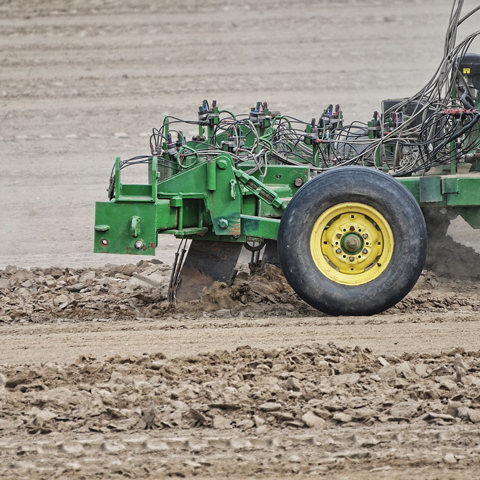
TELONE™ is applied pre-plant, through shank injection at depths of 12”-18”, to ensure thorough treatment of the soil. By targeting the nematodes where they live, TELONE™ provides growers with a powerful tool to improve both yield and quality.Examples of Nematode Damage
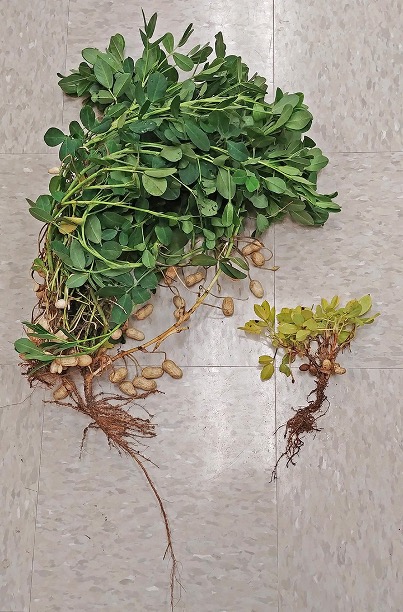
Healthy peanut plant (left) and example of nematode damage (right)
Credit: Zane Grabau, UF/IFAS
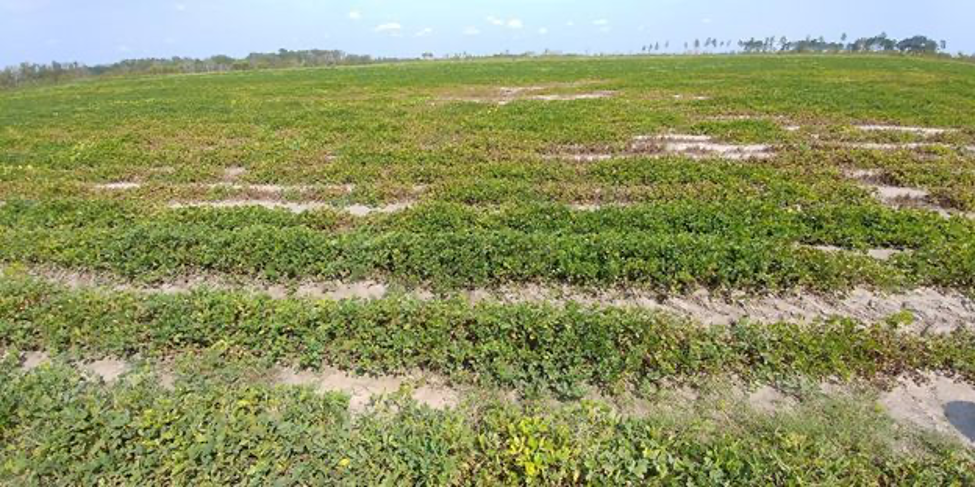
Patches of stunted, dying, and yellowing (chlorotic) peanut plants due to nematode damage
Credit: Zane Grabau, UF/IFAS
ADDITIONAL RESOURCES:
- University Of Florida IFAS Extension - Management of Plant-Parasitic Nematodes in Florida Peanut Production
- The Peanut Grower – Sting Nematode
- University of Georgia Extension – Early-season Diseases and Nematodes in Cotton and Peanuts
- University of Florida IFAS Extension - Recognizing and Managing Sting Nematode Problems in Peanuts
- The Peanut Grower – Yield-Robbing Parasites